
How C&I Energy Storage Reduces Demand Charges and Peak Costs
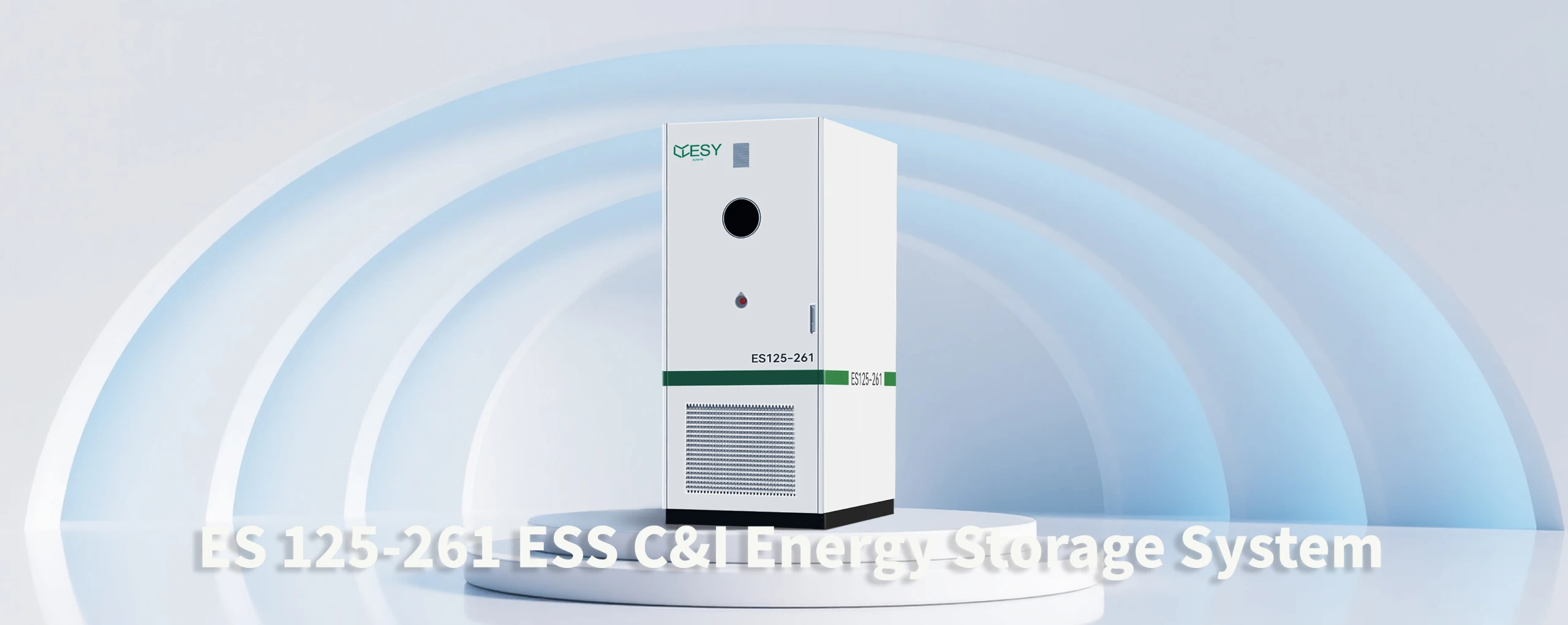
C&I energy storage reduces demand charges by lowering a facility’s highest grid power draw during billing periods. Battery systems discharge during peak hours, cutting measured demand in kW. For commercial users with demand fees of $10–$50/kW-month, reducing peaks by 500 kW can save $5,000–$25,000 monthly. Storage also supports time-of-use pricing, solar integration, and more stable electricity costs.
Commercial and industrial electricity bills are often divided into energy consumption charges and demand charges. Energy charges depend on total kWh usage, while demand charges are based on the highest kW demand recorded during a billing cycle. In many utility markets, demand charges represent 30%–70% of monthly electricity costs, especially for factories, warehouses, cold storage facilities, and large commercial buildings.
A facility may consume electricity efficiently for most of the month but still pay a high demand fee because of a short peak period. A manufacturing site operating at 800 kW may temporarily reach 1,400 kW when multiple machines start together. If the utility rate is $25/kW-month, the additional 600 kW peak can create $15,000 in monthly demand charges.
Demand charges measure the highest power requirement, not the average electricity usage, which makes peak periods financially important.
This pricing structure creates demand management opportunities through battery storage. A C&I energy storage system monitors electricity demand and supplies power when grid consumption approaches a preset limit. Instead of allowing the grid connection to reach the maximum load, the battery provides part of the electricity locally.
For example:
| Facility demand | Without storage | With storage |
|---|---|---|
| Normal operation | 900 kW | 900 kW |
| Peak event | 1,500 kW | 1,000 kW |
| Battery support | 0 kW | 500 kW |
A 500 kW reduction in peak demand can lower monthly charges by $12,500 at a $25/kW-month tariff. Over a 12-month period, the reduction can reach approximately $150,000 before considering additional electricity savings.
Battery sizing determines how much demand reduction a business can achieve. The power rating, measured in kW, controls how much electricity can be delivered at one time, while energy capacity, measured in kWh, determines how long the discharge can continue.
A facility requiring 1 MW of peak reduction for one hour would typically need around 1 MWh of usable battery capacity. If the peak period lasts three hours each day, the required storage size increases significantly. Many commercial projects installed between 2020 and 2025 use battery systems ranging from 100 kWh for small buildings to several MWh for industrial applications.
The operating strategy also affects savings. Batteries are usually charged when electricity demand is lower and discharged when demand approaches expensive peak levels. This approach allows businesses to avoid drawing maximum power from the grid during short high-demand periods.
A well-managed storage system does not need to supply all electricity consumption; it only needs to reduce the portion that creates higher demand fees.
Time-of-use electricity pricing provides another way for storage systems to reduce costs. Many utilities apply different electricity rates depending on the hour of the day. Peak electricity prices can be 2–5 times higher than off-peak rates in some commercial tariffs.
A warehouse with overnight operations may charge batteries during lower-cost hours and use stored electricity during afternoon peak periods. A retail building may combine solar generation with storage by collecting excess solar power during midday and using it when electricity prices increase later in the day.
The combination of demand management and time-based charging improves overall electricity cost control. According to industry project data published between 2018 and 2024, commercial storage projects increasingly combine multiple functions instead of using batteries only for backup power.
Solar installations create another application area for C&I energy storage. Solar generation and electricity consumption often occur at different times. Commercial buildings may produce excess solar power around noon while experiencing higher electricity demand in the late afternoon.
Energy storage helps shift solar electricity to periods with higher demand. A 500 kW rooftop solar system producing 2,000 kWh daily may send part of that energy into batteries instead of exporting it or reducing solar output.
For facilities adding renewable energy systems, ESYsunhome C&I energy storage provides battery solutions designed for commercial and industrial applications, including peak shaving, energy management, and renewable energy integration.
Battery control software plays an important role in reducing electricity costs. Modern energy management systems collect information from meters, weather forecasts, production schedules, and electricity tariffs.
The system can adjust charging and discharging schedules according to operating conditions. For example, if a building usually reaches maximum demand between 3 p.m. and 6 p.m., the battery can reserve enough capacity before that period instead of using energy too early.
Energy management software allows batteries to respond to actual electricity patterns rather than operating on fixed schedules.
Different facilities require different storage strategies. A factory with large motors may need high discharge power because equipment startup creates rapid demand increases. A data center may require longer discharge duration because electricity demand remains stable throughout the day.
Typical applications include:
-
Manufacturing plants using batteries for equipment-related demand peaks
-
Logistics centers reducing electricity costs from refrigeration and charging systems
-
Office buildings managing HVAC-related demand increases
-
Retail facilities combining solar generation and battery storage
-
Data centers improving energy flexibility
The financial performance of C&I energy storage depends on several measurable conditions. Facilities with high demand charges generally have stronger economic potential than locations where electricity prices are mainly based on kWh consumption.
Important project factors include:
| Factor | Influence on savings |
|---|---|
| Demand charge rate | Higher rates increase potential savings |
| Peak frequency | More frequent peaks improve battery utilization |
| Battery size | Determines available peak reduction |
| Electricity tariff structure | Affects charging and discharging schedules |
| Load profile | Determines suitable operating strategy |
Battery technology has also improved over recent years. Between 2015 and 2024, lithium-ion battery costs declined significantly, allowing more commercial customers to consider storage projects. Longer cycle life, improved safety systems, and better monitoring platforms have increased adoption across different industries.
Maintenance requirements are also important for long-term operation. Commercial battery systems typically include battery management systems, thermal control, and performance monitoring. Regular inspection helps maintain battery efficiency and extends service life, which is often designed for 10–15 years depending on operating conditions.
C&I energy storage is also becoming useful for grid support programs. Some utilities provide incentives for customers that reduce electricity demand during high-use periods. Businesses may receive additional payments by allowing their battery systems to respond during grid demand events.
These programs create another income source while maintaining normal facility operations. A building that participates in demand response may reduce grid consumption during selected events several times per year while continuing regular business activities.
The decision to install energy storage depends on electricity costs, operating schedules, available space, and project goals. A detailed analysis of historical electricity bills, usually covering 12–24 months of consumption data, helps determine suitable battery capacity and expected savings.
For commercial and industrial users facing increasing electricity costs, battery storage provides a practical method to reduce demand charges and improve energy management. By lowering peak grid demand, shifting electricity usage, and supporting renewable generation, C&I energy storage helps businesses create a more predictable electricity cost structure.
Discipline at the table begins long before the bottle is opened — it begins in the cellar, with restraint.— Ava Devine, Master Sommelier & Founder